Generator Installation
Contact Dorado Electric Today
Reliable Generator Installation in Santa Maria, CA
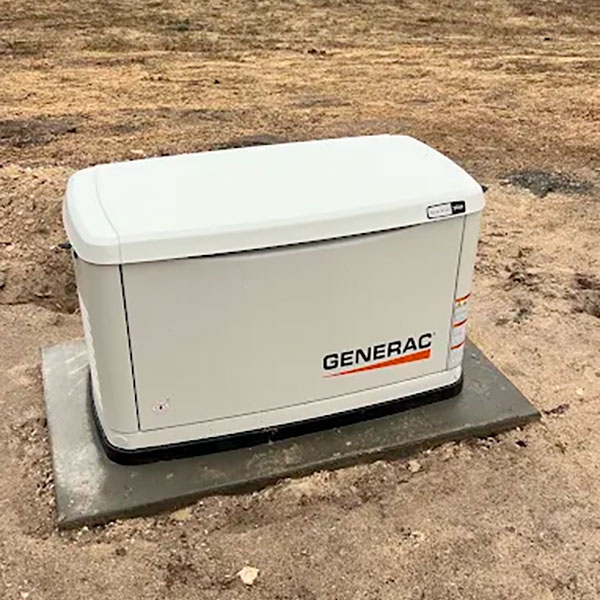
Power outages can interrupt refrigeration, heating and cooling, well pumps, and other equipment your household depends on. Dorado Electric provides professional generator installation near you in Santa Maria, CA, and throughout the California Central Coast. Our licensed and insured electricians install backup power systems, including standby generators, transfer switches, and connections for portable generators. As a Generac-certified installer with 10 years of experience, we help homeowners prepare for outages caused by storms, utility problems, and PG&E Public Safety Power Shutoffs.
What Should You Know Before Installing a Home Backup Generator?
A home backup generator supplies electricity when utility power becomes unavailable. Depending on the equipment, it can power selected essential circuits or a larger portion of your home. Dorado Electric evaluates your electrical system, calculates the power required for the equipment you want to operate, and explains the generator and transfer equipment needed for a safe installation.
What Types of Backup Generator Systems Are Available?
The right backup power system depends on how much electricity you need, how often outages occur, and whether you want automatic operation.
- Install automatic standby generators that provide backup electricity during outages.
- Connect Generac standby generators to compatible electrical equipment.
- Install automatic transfer switches that switch between utility and generator power.
- Install manual transfer switches for compatible portable generator systems.
- Install generator inlet connections for properly sized portable generators.
- Configure backup power for selected essential circuits or larger household loads.
How Is the Right Generator Size Determined?
Generator sizing starts with identifying which appliances and electrical systems must operate during an outage.
- Calculate the running and starting power requirements of selected equipment.
- Evaluate backup power needs for refrigerators and freezers.
- Account for well pumps and other equipment with high starting demands.
- Determine whether heating or air conditioning equipment can be supported.
- Review essential lighting, outlets, and communication equipment.
- Consider electrical needs for medical equipment or home office equipment.
What Electrical Work Is Required for Generator Installation?
A generator must be properly connected to the home's electrical system to prevent dangerous backfeeding and provide reliable backup power.
- Install an approved transfer switch or suitable interlock system.
- Connect generator equipment to the appropriate electrical circuits.
- Evaluate electrical panel capacity and existing wiring.
- Install properly sized conductors and circuit protection.
- Address applicable grounding and bonding requirements.
- Coordinate electrical permits, inspections, and required utility arrangements.
Homes in Santa Maria, Los Alamos, and surrounding rural areas can have different backup power needs. Some properties rely on electric well pumps, while others prioritize refrigeration, medical equipment, or essential household circuits. Coastal storms, strong winds, and high-fire-risk conditions can also interrupt utility service. Dorado Electric considers these factors when planning your generator installation, explains the available options, and completes the electrical work with careful attention to safety and dependable operation.
Why Choose Dorado Electric?
1
Licensed & Insured
Our C-10 and journeyman credentials provide confidence that your generator's electrical connections are handled by qualified professionals.
2
Generac-Certified Installer
We have Generac installation certification and experience with standby generator electrical requirements.
3
10 Years of Experience
We evaluate household electrical loads, transfer equipment, and installation requirements before recommending a solution.
4
Free Estimates & Upfront Pricing
Understand the proposed installation and competitive pricing before making a decision.
5
Clear Communication
We explain your backup power options, installation requirements, and what to expect during the project.
6
One-Year Workmanship Warranty
Our workmanship warranty provides additional peace of mind after qualifying installation work is completed.
Prepare Your Home for the Next Power Outage
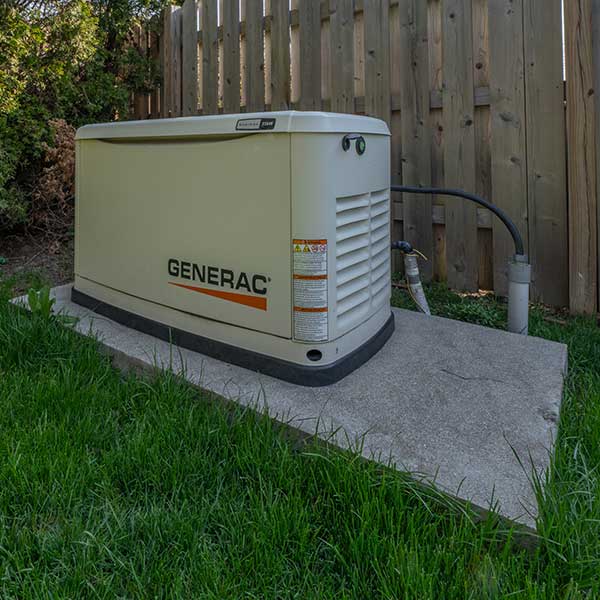
A properly installed backup generator can help keep important household equipment operating when utility power is unavailable. Dorado Electric provides generator installation throughout Santa Maria, northern Santa Barbara County, and San Luis Obispo County. As a Generac-certified installer, we help homeowners understand their backup power needs and installation options. For a free estimate and upfront pricing, call 805-245-7663.
Common Questions About Generator Installation in Santa Maria
The right generator size depends on which appliances and electrical systems you want to operate during an outage.
A smaller generator may support essential circuits, while a larger standby generator may be needed to power most or all of a home.
Common electrical loads to consider include:
- Refrigerators and Freezers: Need enough power for normal operation and compressor startup.
- Lighting and Outlets: Essential household circuits generally require less power than large appliances.
- Well Pumps: May have significant starting power requirements.
- Heating and Cooling: Central air conditioning and electric heating can require substantial generator capacity.
- Medical Equipment: May require dependable power and additional backup planning.
- Kitchen Appliances: Electric ranges and other high-demand equipment can increase generator size requirements.
An electrician should calculate both running and starting loads before recommending generator capacity.
Dorado Electric can evaluate your electrical needs and explain which backup power options are practical for your home.
A standby generator is permanently installed and can automatically supply backup power, while a portable generator is typically connected and operated manually.
Both can provide electricity during outages, but they differ in convenience, capacity, and installation requirements.
Standby Generators:
- Remain permanently installed outside the home.
- Can start automatically when utility power fails.
- Commonly use natural gas or propane.
- Can support selected circuits or larger household electrical loads.
Portable Generators:
- Can be moved and stored when not in use.
- Generally require manual setup and startup.
- Commonly use gasoline, propane, or another approved fuel.
- Can supply selected household circuits through an appropriate connection system.
Both types must be operated according to manufacturer safety instructions.
Portable generators must never run indoors, in garages, or near openings where exhaust can enter the home.
Yes. An automatic standby generator can detect a utility power outage and start without requiring someone to manually operate the equipment.
This is possible when the generator is installed with a compatible automatic transfer switch.
The general process is:
- Power Interruption: The transfer equipment detects that utility power is unavailable.
- Generator Startup: The standby generator receives a signal to start.
- Power Transfer: After the generator is ready, the transfer switch connects the designated electrical loads to generator power.
- Backup Operation: The generator supplies electricity while utility power remains unavailable.
- Utility Restoration: Once utility power is stable, the transfer switch returns the electrical loads to the utility supply.
Automatic operation can be especially useful for households with refrigeration, well pumps, or other important electrical needs.
The exact startup and transfer times depend on the generator and transfer equipment.
A backup generator connected to a home's electrical wiring needs an approved method of safely separating generator power from utility power.
A transfer switch is a common solution. Certain properly installed interlock systems may also be permitted, depending on the equipment and applicable electrical requirements.
These systems help prevent dangerous electrical backfeeding.
Common options include:
- Automatic Transfer Switch: Automatically changes the power source when a compatible standby generator starts.
- Manual Transfer Switch: Allows the homeowner to select generator power through a properly installed switching system.
- Generator Interlock: An approved arrangement that prevents the utility main breaker and generator supply breaker from being on simultaneously.
- Essential Circuit Transfer Equipment: Supplies backup electricity to selected circuits rather than the entire electrical system.
Never connect a generator to household wiring through an ordinary wall outlet or an improvised power cord.
Dorado Electric can explain which connection method is appropriate for your generator and electrical panel.
Yes. A properly sized generator may be able to power your refrigerator, air conditioner, lighting, and other household equipment during an outage.
The important question is whether the generator has enough capacity to handle the combined electrical demand, including the extra power some appliances need when starting.
Factors to consider include:
- Refrigerator and Freezer Loads: Compressors require additional power during startup.
- Air Conditioning: Central AC systems can create substantial starting and running loads.
- Lighting: LED lighting generally uses relatively little electricity.
- Other Appliances: Water heaters, cooking equipment, and dryers can increase total demand.
- Simultaneous Use: Running several large appliances at once may exceed generator capacity.
Some households choose to back up only essential circuits to reduce equipment costs and fuel requirements.
Dorado Electric can calculate the expected electrical loads and help determine an appropriate backup power arrangement.
Generator installations commonly require permits and inspections, particularly when a permanent standby generator is connected to a home's electrical system.
Requirements depend on the generator type, fuel source, installation location, and local jurisdiction.
Possible requirements include:
- Electrical Permits: For transfer switches, new circuits, and permanent electrical connections.
- Building or Mechanical Approvals: Depending on the equipment and installation details.
- Fuel Connections: Natural gas or propane installations may require additional permits and qualified trades.
- Placement Requirements: Generator locations must meet applicable clearance and installation rules.
- Noise Restrictions: Local regulations may affect where equipment can be installed.
- Final Inspections: Required inspections help verify that the installation meets applicable standards.
Properties within Santa Maria city limits may have different permitting requirements than homes in unincorporated Santa Barbara County.